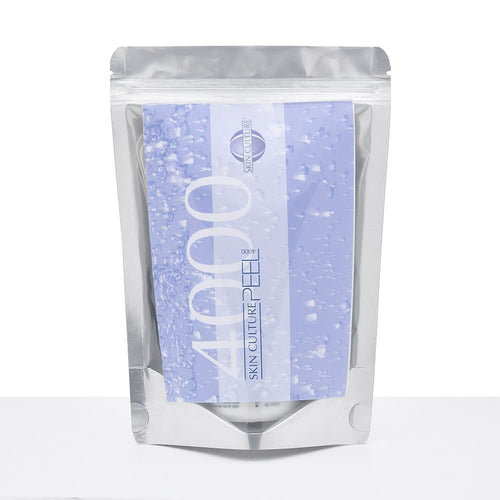
Maximum Strength
PEEL 4000
4 applications of Peel Cream
Acne scars, hyperpigmentation, wrinkles, stubborn skin concerns.
- ✓Deepest resurfacing
- ✓Long-standing skin problems
- ✓Removes thickened, damaged outer skin
At-Home Chemical Peels · Since 1937
Choose Your Strength
All skin Culture peels use the same clinically proven triple-acid formula. The difference is the amount of times you apply the peel cream — matched to the severity and duration of your skin concern.
Maximum Strength
4 applications of Peel Cream
Acne scars, hyperpigmentation, wrinkles, stubborn skin concerns.
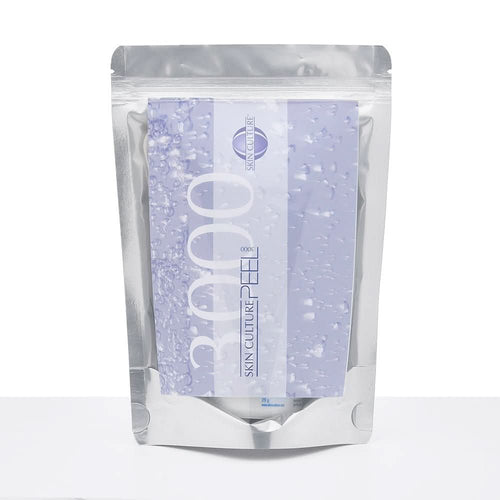
Medium Strength
3 applications of Peel Cream
Moderate acne marks, fine lines, blemishes, uneven skin tone.
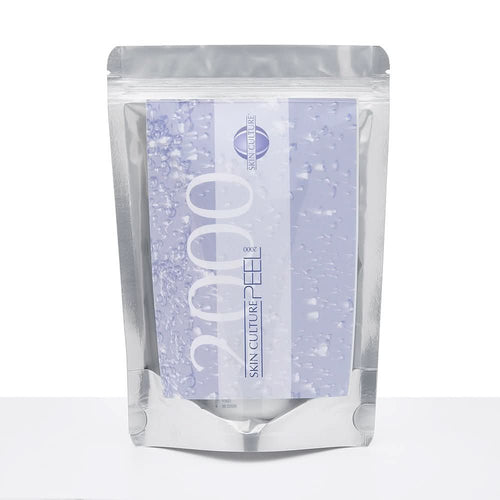
Light Strength
2 applications of Peel Cream
Mild imperfections, first-time users.
Not sure which peel is right for you? Take our 2 minute skin assessment.
2-minute skin assessment →A clinically proven at-home skin peel treatment, trusted since 1937. Discover how the Skin Culture Peel works, which strength is right for your skin, and what results you can realistically expect.
The Skin Culture Skin Peels are a range of at-home chemical peel treatments formulated around a unique multi-acid base of Resorcinol, Salicylic Acid, and Phenol — the same professional-grade exfoliating agents used in clinical settings, calibrated for safe and effective home use. Unlike superficial glycolic or lactic acid peels that work only on the very surface of the skin, the Skin Culture formula triggers deep epidermal shedding over a structured six-day process, producing results that are ordinarily only achievable in a dermatologist’s clinic.
The treatment has been continuously refined since 1937, making it one of the longest-established skin resurfacing formulas available anywhere in the world. The formula is identical across all three products in the range — Skin Peel 2000, Skin Peel 3000, and Skin Peel 4000 — with the strength determined entirely by how many consecutive days of application you complete, ranging from two to four days. It addresses acne marks, hyperpigmentation, enlarged pores, uneven skin texture, fine lines, sun damage, and dull, congested complexions.
Understanding the chemical peel healing process day by day removes the uncertainty and puts you firmly in control of your results. The treatment divides into two clearly defined phases — application and shedding — each with a predictable experience.
Apply the first pot of treatment cream to clean, dry skin and leave in place for 90 minutes before removing. You will notice a mild stinging sensation during the first 10 to 15 minutes as the acids begin working — this is normal and subsides. By the following morning your skin will feel noticeably tighter.
Apply the second pot. Sensitivity is typically more pronounced on day two as the acids penetrate more deeply. The skin begins to look tanned or bronzed, and the surface will start to feel tight and dry. This is the formula working as intended.
Peel 3000 and 4000 users continue applying the remaining pots. The skin progressively tightens, darkens, and develops a hardened texture across the treated area. This is the outer epidermal layers beginning to die off in preparation for shedding.
The Normalizer Cream replaces the peel cream. Peeling begins — usually at natural flex points such as around the mouth, nose, and jaw first. The outer skin lifts and sheds in visible layers, revealing fresh, pink new skin beneath. This is the intended biological response, not a sign of damage.
Peeling is largely complete. The new skin revealed is smoother, clearer, and visibly renewed. Redness fades over the following 24 to 48 hours, leaving an improved complexion. Most users report a significant reduction in acne marks, hyperpigmentation, and surface unevenness after a single complete treatment.
The three Skin Culture Peels use an identical formula. The only variable is the number of application days, which determines how deeply the treatment penetrates and how significant the peel will be.
The shedding phase of a Skin Culture Peel is often the most misunderstood part of the treatment. Visible skin peeling is not a sign that something has gone wrong — it is the precise biological event the formula is designed to trigger. As the damaged outer layers of the epidermis lift and shed, the fresh cellular tissue forming beneath is free of the melanin deposits, scarring, and textural irregularities that the treatment was designed to address.
After a single complete treatment cycle, most users notice a marked reduction in the appearance of acne marks and hyperpigmentation, a smoother and more even skin texture, clearer and less congested pores, and an overall brightness and clarity to the complexion that is difficult to achieve through topical skincare alone. These results are not the product of surface exfoliation — they represent a genuine renewal of the epidermal layer through controlled, deep resurfacing.
Results are typically visible within the first 48 hours after shedding is complete. For deeper concerns such as long-standing scarring or significant sun damage, a repeat treatment after an appropriate recovery interval can produce further improvement. Thousands of customers who have documented their treatment journeys in our skin peel treatment diaries report results that they describe as transformative — in many cases eliminating the need for foundation and cosmetic cover altogether.
Yes. While the formula contains professional-grade acids including Phenol at under 2% concentration, the treatment is specifically structured for home use. The step-by-step application protocol, the 90-minute application window, and the included Normalizer Cream ensure the process remains controlled and predictable. The formula has been used safely at home by hundreds of thousands of customers since 1937.
Active peeling typically occurs over a two-day period — days four to five for Peel 2000 users, and days five to six for Peel 4000 users. The skin is largely settled within 24 to 48 hours of peeling completing, though mild redness may continue briefly as the new skin adjusts to the environment.
The application phase is largely manageable in daily life — the cream is applied in the evening and removed after 90 minutes. The shedding phase, when visible peeling occurs, is when most users prefer to schedule time at home. Many plan their treatment around a long weekend for this reason.
First-time users are typically recommended to start with Peel 2000 to understand how their skin responds. Those with experience of chemical peels, or with moderate concerns such as acne marks or uneven pigmentation, often find Peel 3000 delivers the best balance of results and recovery. Peel 4000 is best suited to those with significant or long-standing skin concerns.
Most users allow a minimum of four to six weeks between treatments to ensure the skin has fully settled and renewed before undergoing another cycle. Depending on your concern and the strength used, some users complete two to three treatments per year, while others find a single annual treatment sufficient to maintain their results.
Treatment Options
The chemical formulation and strength are identical across all treatments. The only difference is the quantity of jars used and the duration of application, which controls the depth of the peel.
Your cart is currently empty.
Start Shopping